
Imagine stepping into a building where every conversation was monitored, every movement watched, and every citizen could potentially be an informant. Welcome to the Stasi Museum in Leipzig’s “Round Corner” – one of Germany’s most chilling yet essential historical destinations that offers tourists an unfiltered glimpse into the surveillance state that defined East Germany for decades.
A Building Steeped in Dark History
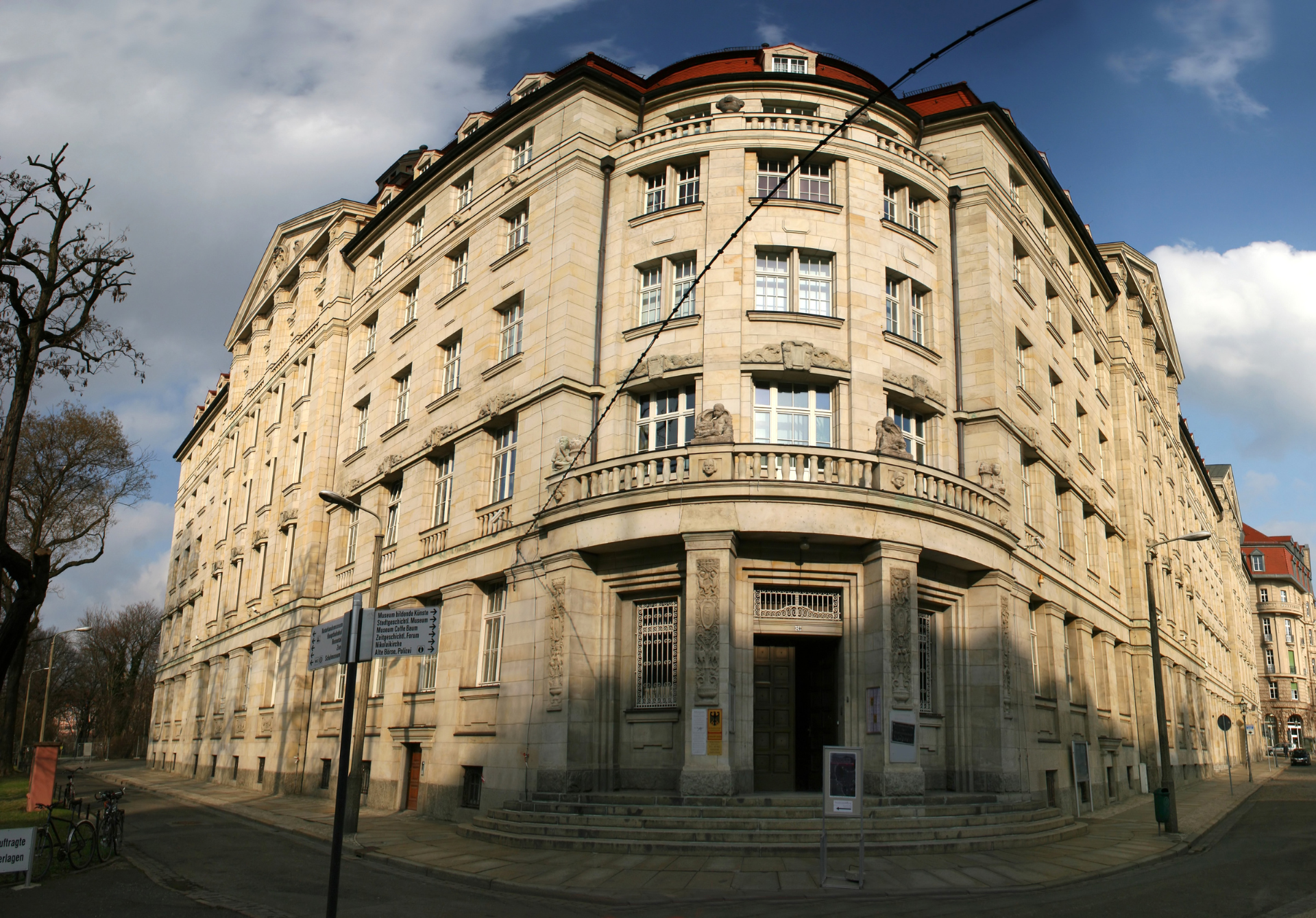
The imposing “Round Corner” building at Dittrichring 24 in Leipzig isn’t just another museum – it’s a preserved piece of Cold War history that served as the regional headquarters of the Stasi (Ministerium für Staatssicherheit), East Germany’s notorious secret police. Built between 1911 and 1913, this architectural landmark originally housed an insurance company before being transformed into one of the most feared addresses in the German Democratic Republic.
What makes this location particularly significant is its role during the Peaceful Revolution of 1989. On December 4, 1989, courageous “Monday demonstrators” occupied this very building, marking a pivotal moment in East Germany’s collapse. Today, visitors can walk through the same corridors where Stasi officers once orchestrated their surveillance operations, making it an incredibly authentic historical experience.
What Awaits Inside: The “Stasi – Power and Banality” Exhibition
The permanent exhibition, titled “Stasi – Macht und Banalität” (Stasi – Power and Banality), is a masterclass in historical documentation that reveals how an ordinary-looking bureaucracy maintained extraordinary control over 16 million East German citizens. The museum houses an extensive collection of original Stasi equipment, documents, and artifacts that paint a comprehensive picture of life under constant surveillance.
Visitors can explore:
- Original spy equipment including hidden cameras, listening devices, and communication tools
- Preserved offices that show the mundane reality of state surveillance operations
- Personal files and documentation methods that tracked citizens’ daily activities
- Propaganda materials and recruitment strategies used by the secret police
- Interactive displays demonstrating the scope and reach of the Stasi network
Tourist Tip: The museum offers free admission, making it an accessible addition to any Leipzig itinerary. The exhibition is available in both German and English, ensuring international visitors can fully appreciate the historical significance.
Planning Your Visit: Essential Information for Tourists
For travelers looking to incorporate this historical gem into their Leipzig adventure, timing and preparation are key. The museum operates on a convenient daily schedule, typically open from 11:00 AM to 4:00 PM, though visitors should verify current hours before arrival as these may vary seasonally.
Located in Leipzig’s city center, the Round Corner is easily accessible by public transportation and walking from most downtown hotels. The museum’s central location makes it perfect for combining with other Leipzig attractions such as the St. Thomas Church (where Bach worked) or the Monument to the Battle of Nations.
Key practical considerations include:
- Allow 1-2 hours for a thorough visit
- Photography policies may be restricted in certain areas
- The museum is suitable for visitors aged 12 and above due to the serious nature of the content
- Limited parking available; public transport recommended
- Audio guides available for enhanced understanding
Beyond the Round Corner: Complementary Experiences
Serious history enthusiasts should consider visiting the companion Museum im Stasi-Bunker, located in a former secret bunker facility outside Leipzig. This underground complex, once disguised as a holiday park, served as the Stasi’s regional command center during potential nuclear emergencies. Tours of this facility provide an even deeper understanding of the paranoia and preparations that characterized the Cold War era.
The bunker museum operates on limited hours and requires advance booking, but offers guided tours that reveal compressed air systems, secret radio transmitters, and emergency facilities that few knew existed during East Germany’s existence. This combination of both locations provides tourists with a comprehensive understanding of how the surveillance state operated at every level.
Why This Museum Matters for Modern Travelers
In an age of digital surveillance and privacy concerns, the Stasi Museum offers more than historical education – it provides crucial context for contemporary discussions about state power, individual privacy, and the importance of civil liberties. The banality of the surveillance apparatus, as the exhibition title suggests, serves as a powerful reminder of how easily democratic freedoms can be eroded when citizens remain passive.
For international visitors, the museum serves as an excellent introduction to understanding modern Germany’s commitment to transparency and civil rights. The peaceful revolution that began in Leipzig demonstrates the power of citizen action, making this location particularly relevant for those interested in social movements and political transformation.
Making the Most of Your Historical Journey
To maximize your visit, consider these insider recommendations from tourism professionals:
- Visit during weekday mornings for smaller crowds and more intimate experience
- Combine your museum visit with a walking tour of Leipzig’s Monday demonstration route
- Read preliminary information about East German history to better contextualize the exhibits
- Allow time for reflection – the material can be emotionally challenging
- Consider purchasing books from the museum shop for deeper understanding
Concierge Recommendation: The museum works excellently as part of a “Historical Leipzig” itinerary that could include the Peaceful Revolution Memorial, St. Nicholas Church, and the Leipzig City History Museum for a complete picture of the city’s role in German reunification.
Summary: A Essential Stop for Conscious Travelers
The Stasi Museum in Leipzig’s “Round Corner” represents far more than a typical tourist attraction – it’s a profound educational experience that illuminates one of the most significant chapters in 20th-century European history. By preserving the actual headquarters where state surveillance was orchestrated, the museum offers visitors an authenticity that few historical sites can match.
For tourists interested in understanding the complexities of German reunification, the Cold War’s human impact, or the ongoing relevance of privacy rights, this museum provides invaluable insights. Its central location, free admission, and powerful exhibitions make it accessible to travelers of all backgrounds and interests.
Whether you’re a history buff seeking detailed documentation of surveillance techniques, a casual tourist curious about East German life, or a traveler interested in sites of political transformation, the Round Corner delivers an unforgettable experience that contextualizes both Germany’s past and its present commitment to democratic values. In a world increasingly concerned with surveillance and privacy, this museum’s lessons remain remarkably contemporary and essential.