
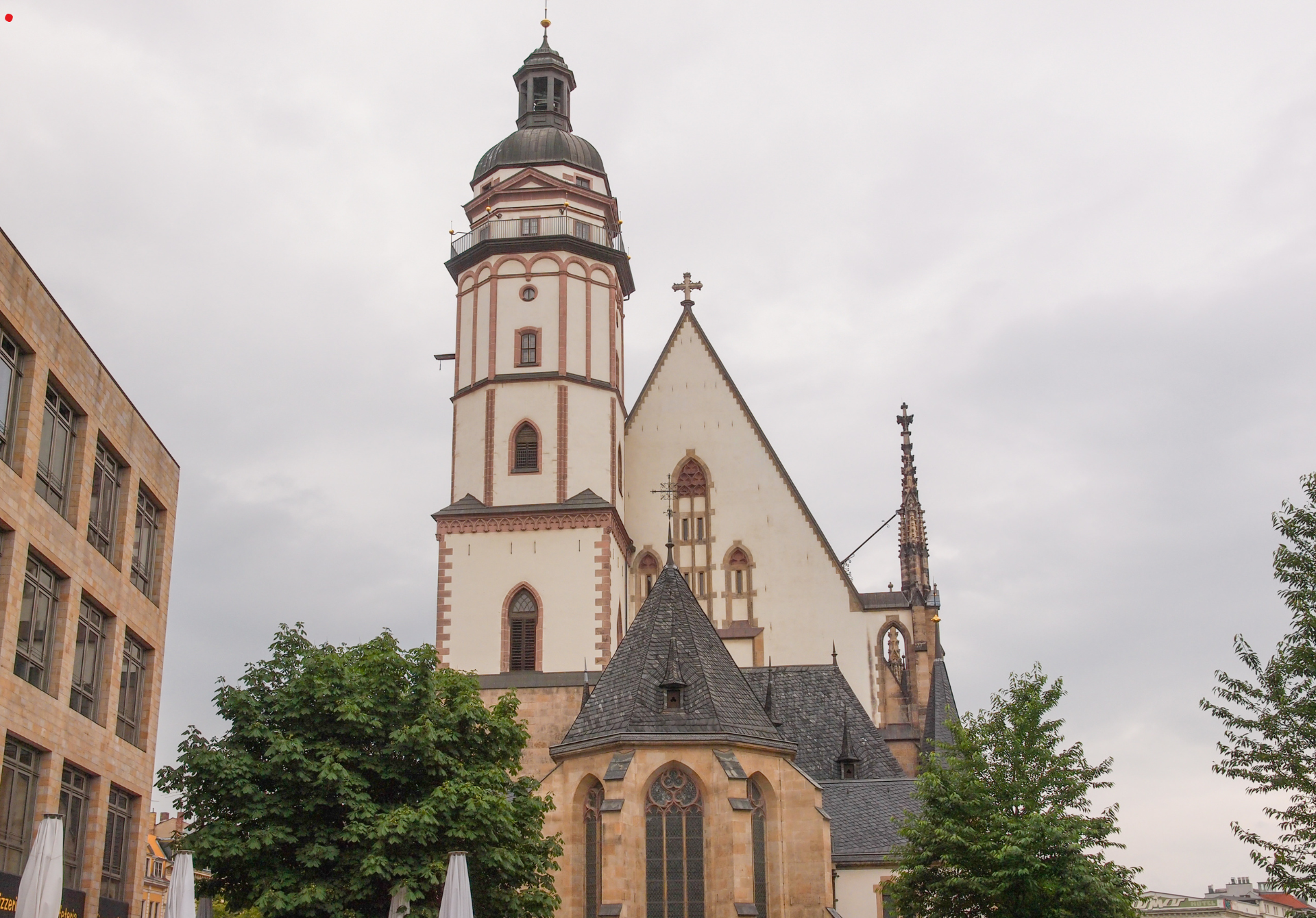
Picture this: you’re standing in a Gothic hall where Johann Sebastian Bach once conducted his choir, where Martin Luther preached reformation, and where centuries of musical excellence echo through ancient stone walls. Welcome to St. Thomas Church (Thomaskirche) in Leipzig – a destination that should be at the top of every culture-loving traveler’s list.
A Journey Through Eight Centuries of History
St. Thomas Church isn’t just another pretty Gothic building – it’s a time machine that takes you through over 800 years of European history. Originally built as a monastery church in 1212, this architectural marvel has witnessed everything from medieval monastic life to the peaceful revolution of 1989 that helped bring down the Berlin Wall.
The church you see today was actually reconstructed in the late 15th century when Leipzig’s economy boomed thanks to silver discoveries in the nearby Ore Mountains. The Romanesque structure was demolished in 1482, and by 1496, the Late Gothic hall church we admire today was consecrated. What makes this even more impressive? Apart from the steeple, which took its final form in 1702, the architecture has remained virtually unchanged for over 500 years.
Bach’s Sacred Ground: The Ultimate Musical Pilgrimage
Here’s where things get really exciting for music lovers. Johann Sebastian Bach served as the church’s Thomaskantor (music director) from 1723 until his death in 1750 – that’s 27 years of pure musical genius flowing through these halls. But it gets better: Bach is actually buried right here in the church, making it a true pilgrimage site for classical music enthusiasts.
During his tenure, Bach didn’t just phone it in – he transformed this church into the epicenter of European sacred music. He composed, conducted, and performed countless masterpieces here, many of which are still performed by the famous Thomanerchor (St. Thomas Choir) today.
Fun Fact: The Thomanerchor, founded by Augustinian monks in the early 1200s, is one of the oldest boys’ choirs in the world and continues to perform Bach’s music in the very space where he created it!
What Makes This Church Special for Visitors
Beyond its musical heritage, St. Thomas Church offers visitors a genuinely impressive architectural experience. The church stretches 76 meters (249 feet) long, with a nave that’s 50 meters long, 25 meters wide, and 18 meters high. The tower soars to 68 meters (223 feet) – and yes, you can actually climb it for spectacular views of Leipzig!
What sets this church apart from other tourist attractions is its living, breathing musical tradition. The choir still performs on Friday evenings and Saturday afternoons, and during summer months, you can attend organ concerts. Imagine hearing Bach’s music performed in the exact spot where he once stood – it’s goosebump-inducing stuff.
Planning Your Visit: Essential Information
Visitor Essentials:
- Opening Hours: Daily 9:00 AM – 6:00 PM
- Tower Tours: Available April through November
- Group Tour Fee: €1 per person (paid at the Thomas Shop)
- Access: Visits allowed when services aren’t in session
The church is open daily from 9:00 AM to 6:00 PM, and outside of scheduled worship services and motet concerts, visits and tours can take place during these times. Tower tours are held from April through the end of November – definitely worth the climb for those panoramic Leipzig views.
Beyond Bach: Other Musical Giants
While Bach might be the star of the show, he’s not the only musical heavyweight associated with St. Thomas Church. Martin Luther preached here in 1539, connecting the church to the Protestant Reformation. Felix Mendelssohn, another Leipzig musical legend, is commemorated with a statue near the church, and the building has connections to numerous other composers who shaped European classical music.
Making the Most of Your Leipzig Visit
Smart travelers know that St. Thomas Church works beautifully as part of a broader Leipzig cultural experience. The Bach Museum is just a stone’s throw away, and the city’s other major church, St. Nicholas (where the 1989 peaceful protests began), is within easy walking distance. Leipzig’s compact city center makes it perfect for a music-themed walking tour.
Consider timing your visit to catch one of the famous Friday evening or Saturday afternoon concerts – there’s something magical about hearing centuries-old music in its original setting. The acoustics are phenomenal, and the atmosphere is genuinely moving.
Why Travel Experts Recommend This Experience
From a concierge perspective, St. Thomas Church delivers something increasingly rare in tourism: authentic cultural immersion without the crowds and commercialization you’ll find at many other European attractions. This isn’t a museum piece – it’s a living, active church where history continues to unfold daily.
The combination of architectural beauty, musical significance, and historical importance creates a multi-layered experience that appeals to different types of travelers. Whether you’re a classical music aficionado, a history buff, an architecture enthusiast, or someone who simply appreciates beautiful, meaningful spaces, St. Thomas Church delivers.
Wrapping It All Up
St. Thomas Church in Leipzig isn’t just a tourist attraction – it’s a cultural powerhouse that has shaped European music for over 800 years. From its origins as a medieval monastery to its role as Bach’s creative sanctuary and its continuing function as a center of musical excellence, this church offers visitors a chance to connect with living history in a profound way.
The practical details are straightforward: daily access, reasonable costs, and excellent location in Leipzig’s walkable city center. But the experience itself is extraordinary – standing where Bach composed, hearing music in spaces designed for it centuries ago, and connecting with a tradition that continues to evolve and inspire.
For travelers seeking authentic cultural experiences beyond the typical tourist trail, St. Thomas Church represents European heritage at its most compelling. It’s not just about seeing something beautiful – it’s about experiencing something that has actively shaped our cultural landscape for nearly a millennium. That’s the kind of travel experience that stays with you long after you’ve returned home.