
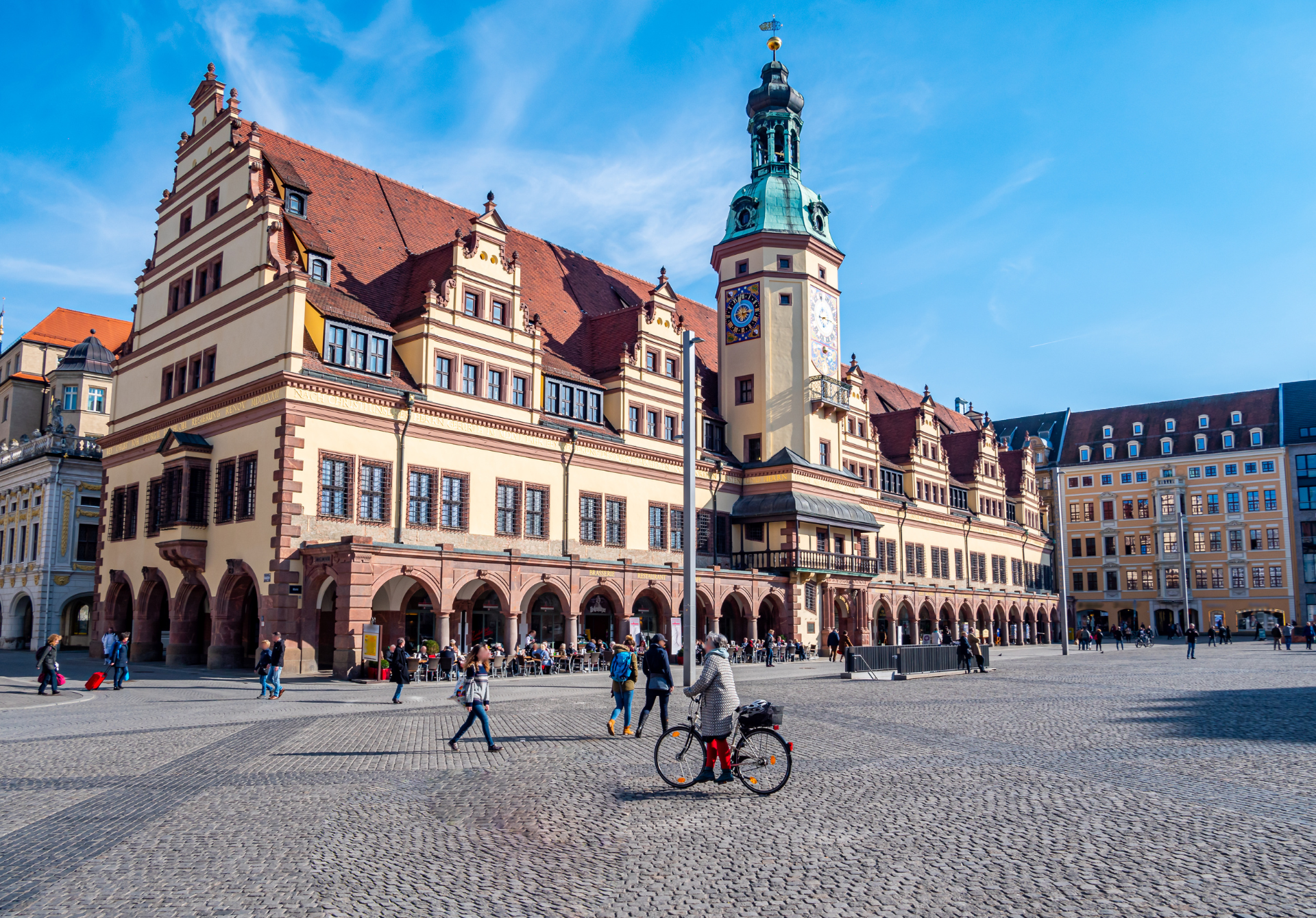
When you stroll through Leipzig’s historic city center, you’ll encounter not one, but two magnificent town halls that tell the fascinating story of this Saxon metropolis. These architectural gems offer visitors a unique glimpse into Leipzig’s rich political and cultural heritage, making them essential stops for any tourist exploring this captivating German city.
The Old Town Hall: Renaissance Splendor in the Heart of Leipzig
Standing proudly on Leipzig’s bustling Market Square since 1556, the Old Town Hall (Altes Rathaus) represents one of Germany’s finest examples of Renaissance architecture. This stunning building, designed by master builder Hieronymus Lotter, served as the seat of Leipzig’s city administration for over 350 years until the dawn of the 20th century.
Today, the Old Town Hall houses the Museum of City History, where visitors can dive deep into Leipzig’s fascinating past. The museum’s permanent exhibition, “Leipzig Original: From the Middle Ages to the Battle of the Nations,” offers an engaging journey through centuries of local history. What makes this location particularly special for music lovers is its connection to Johann Sebastian Bach – it was here in 1723 that the legendary composer was elected as Thomaskantor and signed his employment contract.
Visitor Information: The Old Town Hall Museum is open Tuesday through Sunday from 10 a.m. to 6 p.m., and admission is completely free – a fantastic deal for budget-conscious travelers!
Market Square: Where History Comes Alive
The Old Town Hall’s location on Market Square isn’t just picturesque – it’s practical too. Every Tuesday and Thursday from 9:00 a.m. to 4:00 p.m., the square transforms into a vibrant farmer’s market where you can sample fresh regional produce and mingle with locals. This authentic experience gives tourists a taste of everyday Leipzig life while admiring the Renaissance facade towering above.
The New Town Hall: Gothic Revival Grandeur
Just a short walk away stands Leipzig’s New Town Hall (Neues Rathaus), a completely different architectural experience that showcases the city’s ambitious growth at the turn of the 20th century. Constructed between 1899 and 1905 on the site of the former Pleissenburg fortress, this impressive Gothic Revival structure was designed by architect Hugo Licht.
The New Town Hall boasts some remarkable statistics that will impress any visitor:
- It features Germany’s tallest city hall tower, offering spectacular panoramic views of Leipzig
- The building incorporates preserved elements from the original Pleissenburg castle, including low casemates visible during guided tours
- Its illuminated clock contains the Latin inscription “MORS CERTA, HORA INCERTA” (Death is certain, its hour uncertain)
- The tower climb involves 250 steps from the fourth floor – a workout with a rewarding view at the top
Planning Your Visit: Practical Tips for Tourists
For those staying in Leipzig hotels or using concierge services, both town halls are easily accessible via public transportation. The New Town Hall has its own stop (lines 2, 8, 9, 89), while the Old Town Hall sits in the pedestrian-friendly city center.
Guided tours of the New Town Hall take place every Sunday at 11:00 a.m., offering visitors insider access to areas typically closed to the public. The tours provide fascinating insights into the building’s history, from its foundation laying in 1899 to its current role as Leipzig’s administrative headquarters.
The New Town Hall operates as a working government building with official hours Monday through Thursday from 8:00 a.m. to 6:00 p.m., and Friday from 8:00 a.m. to 3:00 p.m. While general public access is limited during business hours, the guided tours provide the perfect opportunity to explore this architectural masterpiece.
Beyond the Buildings: Cultural Context
What makes Leipzig’s town halls truly special isn’t just their architectural beauty – it’s their role in shaping German history. The Old Town Hall witnessed centuries of political decisions that influenced not only Leipzig but the broader Saxon region. Meanwhile, the New Town Hall represents Leipzig’s confidence and prosperity during Germany’s rapid industrialization period.
The preservation of the Old Town Hall itself tells a compelling story. In 1905, its fate hung in the balance when the city council vote ended in a tie. Thanks to the deciding vote of council president Johannes Junck, this Renaissance masterpiece was saved and transformed into the museum we can visit today.
Making the Most of Your Town Hall Experience
Smart travelers will combine visits to both town halls with exploration of the surrounding areas. The Old Town Hall’s location makes it perfect for combining with shopping in Leipzig’s pedestrian zones, while the New Town Hall’s position near the Promenadenring green belt offers pleasant walking opportunities.
Photography enthusiasts will find endless opportunities at both locations. The Old Town Hall’s Renaissance details shine particularly well in morning light, while the New Town Hall’s Gothic Revival towers create dramatic silhouettes against Leipzig’s skyline, especially at sunset when the clock’s blue illumination becomes visible.
Key Takeaways for Your Leipzig Adventure
Leipzig’s two town halls offer visitors a unique architectural journey through German history, from Renaissance craftsmanship to Gothic Revival ambition. The Old Town Hall provides free museum access with rich historical exhibits and Bach connections, while the New Town Hall offers guided tours showcasing Germany’s tallest municipal tower and preserved medieval elements.
For tourists and those utilizing concierge services, these landmarks represent essential Leipzig experiences that combine historical education, architectural appreciation, and practical city exploration. Whether you’re drawn by the free museum experience, the challenging tower climb, or simply the joy of standing where centuries of German history unfolded, Leipzig’s town halls deliver memorable experiences that justify their place on any comprehensive city itinerary.
Plan to spend at least half a day exploring both buildings and their surroundings – you’ll leave with a deeper understanding of Leipzig’s evolution from medieval trading post to modern German cultural center, all while enjoying some of the country’s most impressive civic architecture.